

Tactical Cephalopod Command
Opens in a play window — no download required.
Reviews
Tactical Cephalopod Command stands out for its non-violent approach to strategy. The colorful arenas and whimsical unit designs create a welcoming atmosphere for players of all ages. The watcher unit adds a unique layer of tactical depth, rewarding careful positioning. While the game may not satisfy those seeking complex resource management, its focus on unit roles and map control offers a satisfying challenge. It is an excellent choice for families or anyone looking for a stress-free strategic experience.
Description
Commanding Your Cephalopod Crew
In Tactical Cephalopod Command, you assume the role of a leader directing a diverse group of cephalopod units. Each unit has a distinct function: some are suited for direct engagement, others provide support, and a few specialize in area denial. The game does not focus on violent combat but rather on outmaneuvering opponents through careful placement and timing. Players select units from a base and deploy them onto the field, where they automatically perform their roles. The challenge lies in choosing the right mix of units for each scenario and positioning them to control key zones of the map.
Strategic Unit Roles
The roster includes several types of cephalopods, each with a specific purpose. Front-line units engage nearby opponents, while support units can boost allies or hinder enemies. A standout is the watcher unit, which can be placed to oversee a designated area and automatically respond to any opponent that enters its range. This unit is essential for securing important locations and creating safe zones for your other units. Understanding each unit's strengths and limitations is crucial for building an effective formation.
Colorful Arena Design
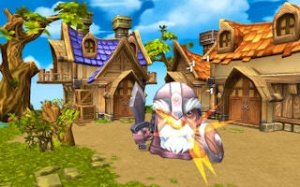
Battles take place in vibrant, animated arenas that are designed to be visually engaging without being intense or scary. The environments are bright and whimsical, reinforcing the game's lighthearted tone. The arenas are not just backdrops; they influence strategy by providing chokepoints, open areas, and cover. Players must adapt their unit placements to the layout of each arena, using the terrain to their advantage.
Learning Through Experimentation
The game encourages players to experiment with different unit combinations and placements. There is no single correct strategy; success comes from observing how units interact and adjusting your approach. New players can start with simple formations and gradually incorporate more complex tactics. The game provides a gentle learning curve, making it accessible to those new to strategy games while offering enough depth for experienced players to refine their skills.





Comments
Sign in to leave a note
You must be logged in before posting a review or rating.
No account? Create one
No comments yet. Be the first to comment!