
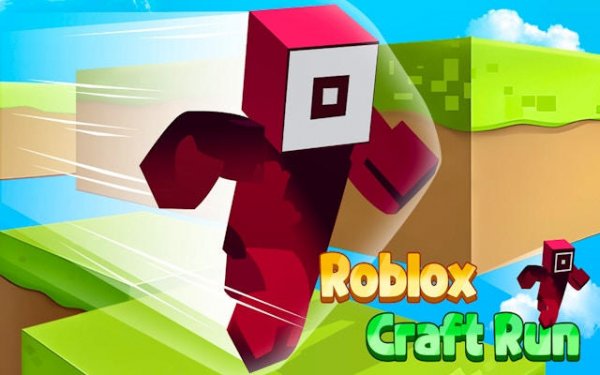
Cube Leap Platform Dash
Opens in a play window — no download required.
Reviews
Cube Leap Platform Dash succeeds by focusing on core platforming fundamentals. The controls feel responsive, and the level design encourages thoughtful movement rather than blind speed. Hidden collectibles add depth without feeling tedious. The visual style is clean and inviting, suitable for all ages. Difficulty progression is well-calibrated, offering a gentle learning curve that eventually demands real skill. This is a solid choice for anyone seeking a relaxing yet engaging running game.
Description
World Design and Visual Style
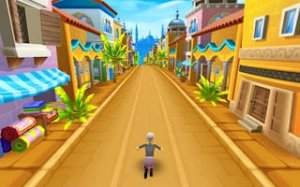
The game presents a cheerful pixelated universe where every level feels like a miniature playground. Bright colors and clean geometric shapes define the environment, making obstacles easy to read at a glance. Paths wind through floating islands, across rotating beams, and over gaps that demand precise movement. The art style stays consistent with classic block-building aesthetics, creating a familiar yet fresh look that appeals to fans of creative sandbox games.
Core Movement Mechanics
Players control their character using simple inputs for running, jumping, and a quick dash maneuver. The dash helps cover longer gaps or adjust mid-air trajectory. Climbing edges requires a well-timed jump at the right angle. These basic actions combine in increasingly complex sequences as stages progress. Early levels teach the fundamentals, while later ones demand chaining moves together without hesitation.
Progression and Exploration
Each stage hides special items that are necessary to advance. Keys unlock barred doors, while other collectibles may open shortcuts or reveal bonus areas. This design encourages players to explore every corner rather than simply rushing to the finish. Some paths are visible from the start, while others require creative use of the environment to reach. Replaying completed stages can uncover secrets missed on the first attempt.
Difficulty Curve and Player Growth
The challenge ramps up gradually, introducing new obstacle types at a comfortable pace. Early levels focus on single jumps and simple gaps. Mid-game stages add moving platforms and timed switches. Later courses require precise sequences of dashes and climbs with little room for error. This structure allows players to build muscle memory and confidence naturally, reducing frustration while maintaining engagement.
Replay Value and Personal Goals
Beyond simply finishing each stage, players can aim for faster completion times or collect all hidden items. The game tracks performance, encouraging repeated attempts to improve. Trying different routes or mastering tricky sections becomes a rewarding loop. The family-friendly nature means players of any age can enjoy the process without encountering inappropriate content.




Comments
Sign in to leave a note
You must be logged in before posting a review or rating.
No account? Create one
No comments yet. Be the first to comment!